


Blog Archive
Expert Insights on Skin Care and Aesthetic Treatments
Latest Blogs
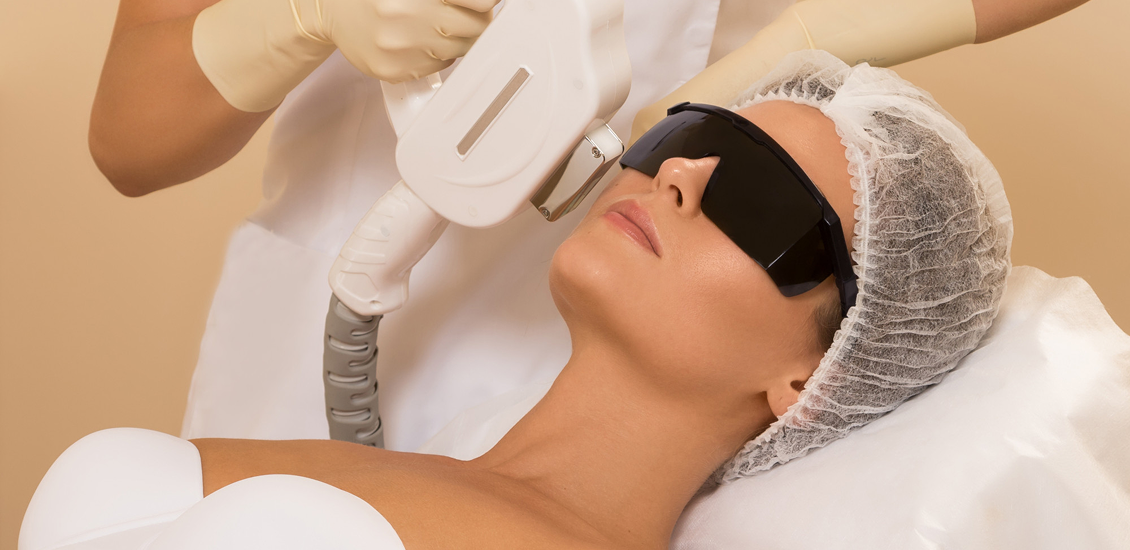
How Many Sessions of Laser Hair Removal Are Needed?
Laser hair removal has become one of the most popular solutions for achieving smooth, hair-free skin. Unlike traditional methods like shaving or waxing, which provide only temporary results, laser treatments offer long-lasting hair reduction.
Is Laser Hair Removal Permanent?
Unwanted hair is more than a cosmetic inconvenience. For many people, it affects confidence, comfort, and daily routines. Shaving often leads to razor burn, cuts, and fast regrowth. Waxing can be painful and irritating, especially for sensitive skin, while hair removal creams may cause chemical reactions without delivering reliable, long-term results. These limitations are why laser hair removal has become one of the most trusted long-term hair removal solutions today.

Laser Hair Removal Aftercare: Tips for Faster Healing & Best Results
Unwanted hair is more than a cosmetic inconvenience. For many people, it affects confidence, comfort, and daily routines. Shaving often leads to razor burn, cuts, and fast regrowth. Waxing can be painful and irritating, especially for sensitive skin, while hair removal creams may cause chemical reactions without delivering reliable, long-term results. These limitations are why laser hair removal has become one of the most trusted long-term hair removal solutions today.
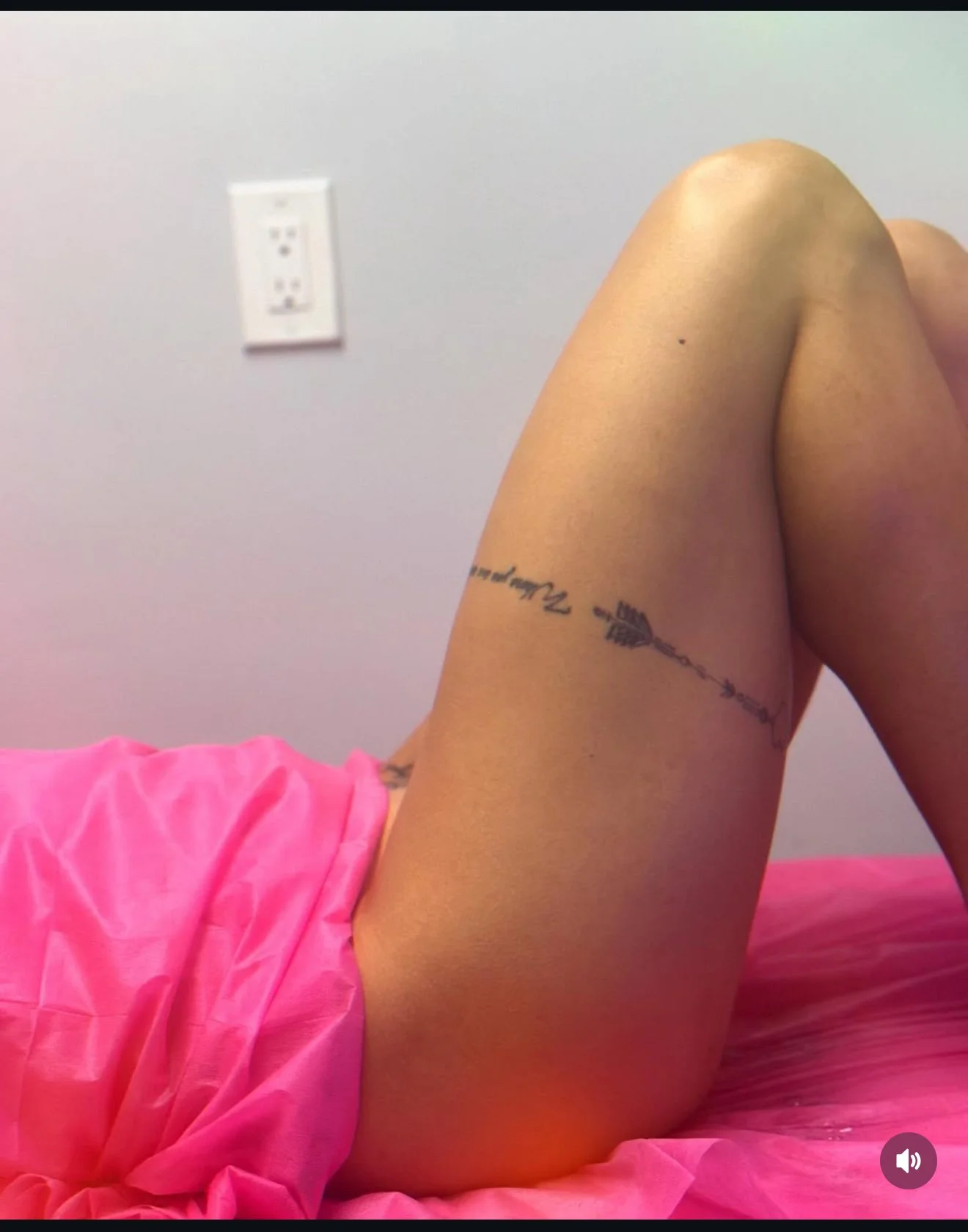
Benefits of Laser Tattoo Removal
Advances in laser technology — particularly picosecond and Q-switched devices — can remove or significantly fade tattoos with fewer sessions and improved outcomes compared with older methods…
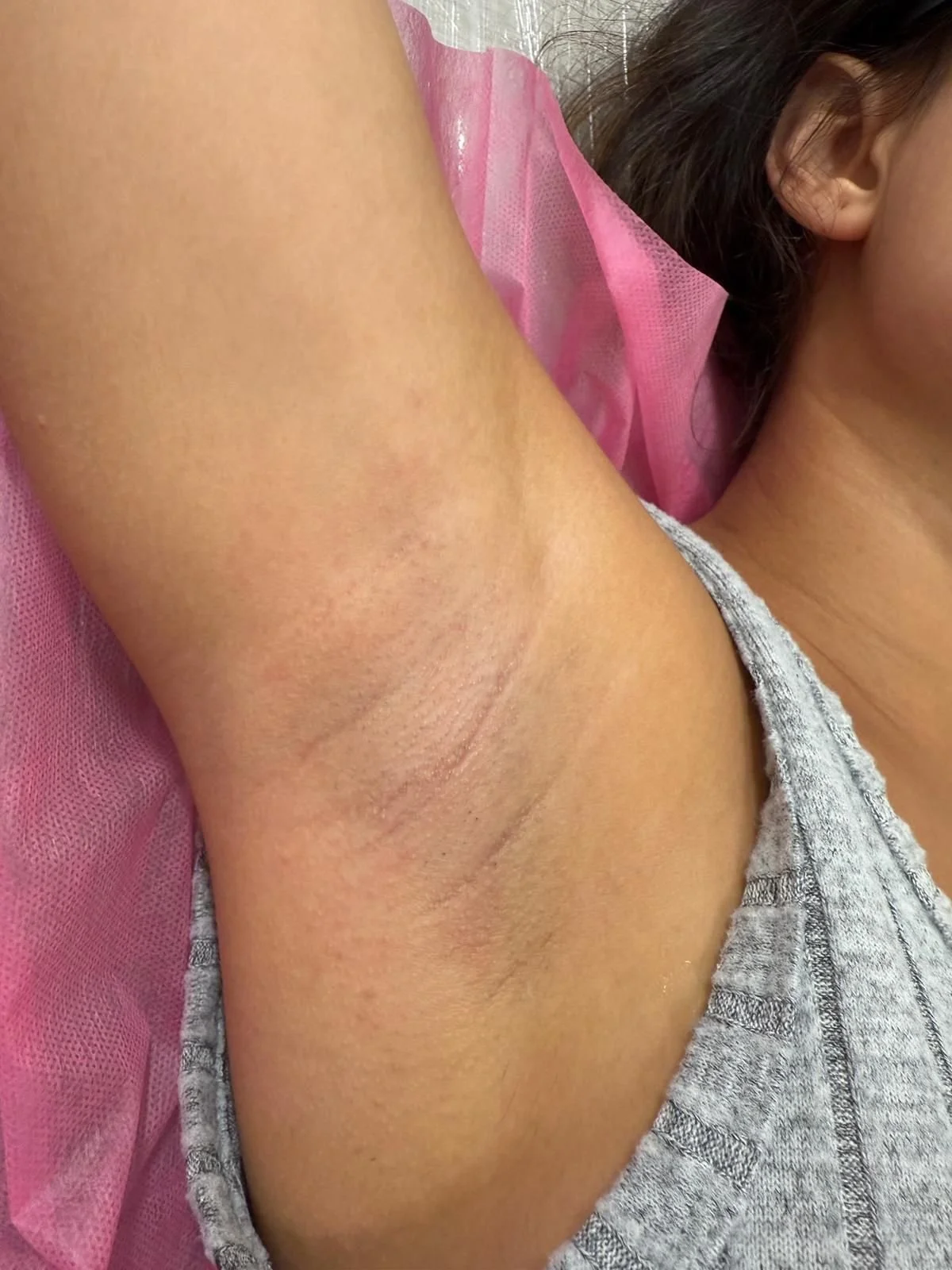
Benefits of Laser Hair Removal
If you’re tired of constant shaving, painful waxing, or stubborn ingrown hairs, laser hair removal can be a game-changer…
Frequently Asked Questions
Our laser hair removal treatments at Skin Lab deliver long-term hair reduction, not complete permanence. Hair grows in cycles, so some regrowth can occur over time.
Our laser technology at Skin Lab works across a wide range of skin types and tones. We adjust settings based on skin pigmentation, hair color, and hair thickness, and we carefully assess areas with acne scars to make sure treatment remains safe and comfortable. Extra precautions apply for very dark skin to protect skin integrity.
Our laser hair removal services treat most areas of the body, including the face, underarms, arms, legs, chest, back, bikini area, and neck. The treatment targets hair follicles beneath the outer layer of the skin.
During laser hair removal, laser light penetrates the skin and targets pigment in the hair follicle. The heat damages the follicle to slow future growth. Some of our systems use intense pulsed light, which delivers broad-spectrum energy instead of a single wavelength.
Most clients describe the sensation as brief snaps or warmth against the skin. Our patient education process prepares you for what to expect and explains comfort options (such as a topical numbing cream) before treatment begins.
Possible risks include redness, swelling, and temporary changes to treated skin. Less common effects include blistering or shifts in skin pigmentation, especially if aftercare guidelines are not followed.
Most clients need six to eight sessions spaced several weeks apart. Recovery time remains minimal, and many people return to normal activities the same day.
Our laser tattoo removal treatments use focused laser light to break tattoo ink into smaller particles. Your body then clears these particles naturally through the immune system over time.
Most tattoos require multiple sessions, often six to twelve or more. The number depends on ink depth, color, age of the tattoo, and its location on the body.
Risks include blistering, scabbing, temporary swelling, and changes to the treated skin. Following our aftercare instructions helps reduce the chance of scarring or infection.
Yes. Black ink responds most easily to treatment, while blue and green often require more sessions. Some lighter colors respond more slowly. We select specific laser light wavelengths to target different pigments.
Most clients describe the sensation as sharp heat or snapping against the skin. We use cooling methods or topical numbing to improve comfort during the treatment.
After treatment, temporary redness and sensitivity are common. The treated skin recovers gradually as your body clears ink or repairs tissue. Avoid sun exposure, follow our aftercare guidance, and allow proper time between sessions for the skin to fully recover.
Laser skin resurfacing effects include changes in skin texture and tone as the outer layer of the skin renews. As healing progresses, the skin appears smoother and more even, with continued improvement as collagen supports long-term skin renewal.